Top 5 Insulation Mistakes That Lead to Drafts and How to Avoid Them
Proper insulation is crucial for maintaining energy efficiency and comfort in your home. Unfortunately, many homeowners make common insulation mistakes that can lead to unacceptable drafts. The first mistake is underestimating the importance of air sealing. Before adding insulation, it’s essential to seal any gaps around windows, doors, and other areas where air can escape or enter. This will not only reduce drafts but also enhance the effectiveness of your insulation. For more on air sealing techniques, check out EnergySaver.
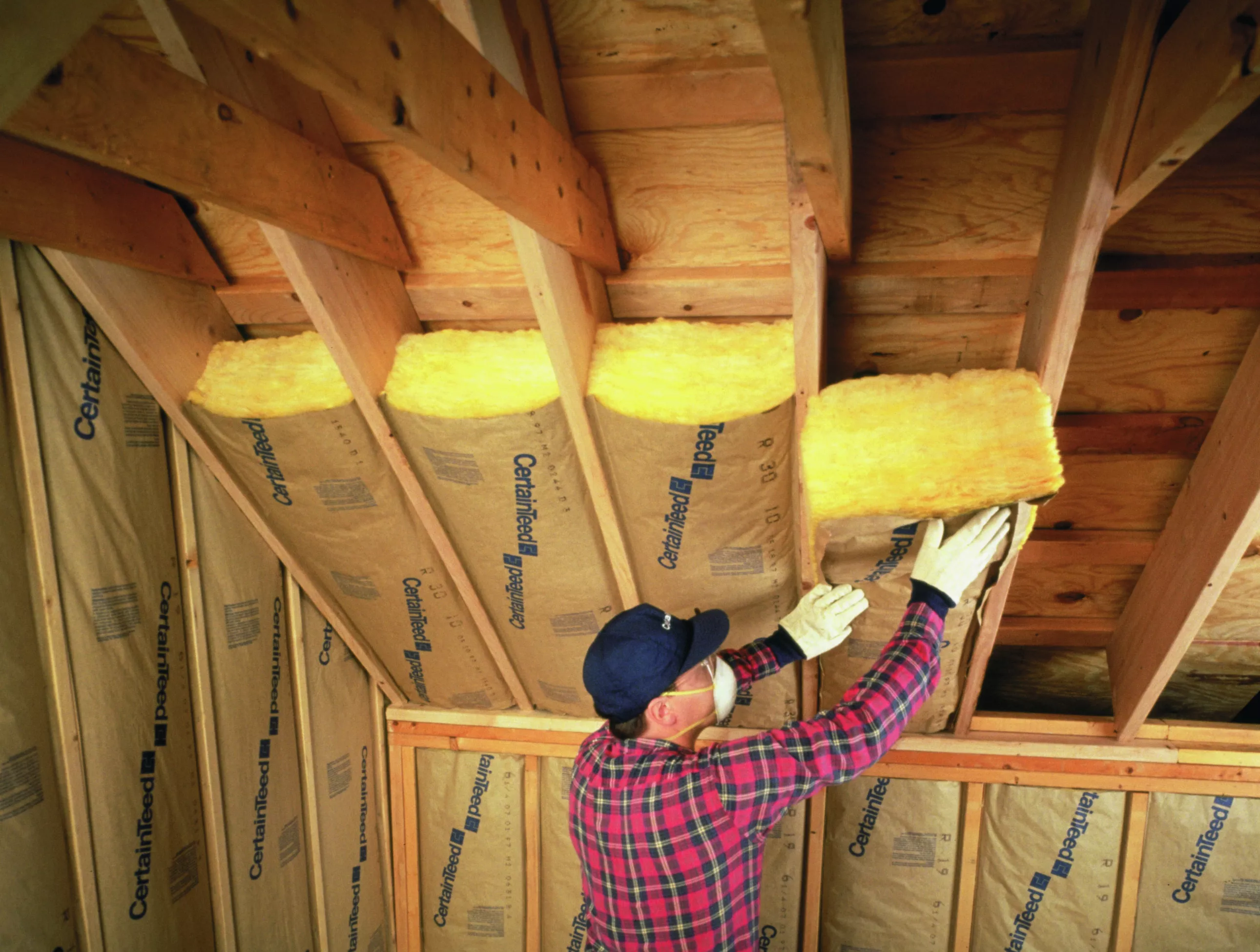
Another common pitfall is choosing the wrong type of insulation for specific areas of your home. For instance, using outdoor insulation in wet areas can lead to moisture buildup, which ultimately reduces the insulation's efficacy. Additionally, failing to properly install insulation can result in significant heat loss. Ensure that you follow the manufacturer’s instructions carefully and consider hiring a professional if you're unsure. For tips on types of insulation and their proper installation, visit ENERGY STAR.
How to Identify and Seal Drafts in Your Home: A Step-by-Step Guide
Identifying and sealing drafts in your home is crucial for energy efficiency and maintaining a comfortable indoor environment. Start by conducting a thorough inspection, paying close attention to windows, doors, and any gaps in your walls. You can use a simple candle test to detect drafts; light a candle and slowly move it around potential draft points. If the flame flickers, you’ve found a draft. For a more detailed guide on conducting this test, check out this Energy Saver guide.
Once you've identified areas with drafts, it's time to seal them up. Here’s a step-by-step guide to follow:
- Caulk: Use caulk for small gaps around windows and doors.
- Weatherstripping: Apply weatherstripping tape to movable parts of windows and doors.
- Door Sweeps: Install door sweeps at the bottom of doors to block any lower drafts.
- Insulation: Consider adding insulation to walls and attics, which can significantly reduce air leaks.
What are the Best Insulation Materials for Maximum Energy Efficiency?
When it comes to maximizing energy efficiency in your home, selecting the right insulation materials is crucial. Insulation works by reducing heat transfer, keeping your living space warm in winter and cool in summer. Here are some of the best insulation materials to consider:
- Fiberglass: This is one of the most commonly used insulation types due to its cost-effectiveness and ease of installation. It boasts a high R-value, meaning it does an excellent job of resisting heat transfer.
- Spray Foam: Known for its superior air sealing properties, spray foam insulation expands on application, filling gaps and creating an airtight seal. Though pricier, its energy-saving benefits often justify the investment.
Other materials worth considering include cellulose, a sustainable option made from recycled paper, and mineral wool, which provides excellent soundproofing in addition to thermal insulation. Additionally, Energy Star offers insights on insulation choices that can enhance your heating and cooling efficiency. Investing in the right insulation material can lead to substantial long-term savings on your energy bills, making it a wise choice for any homeowner.