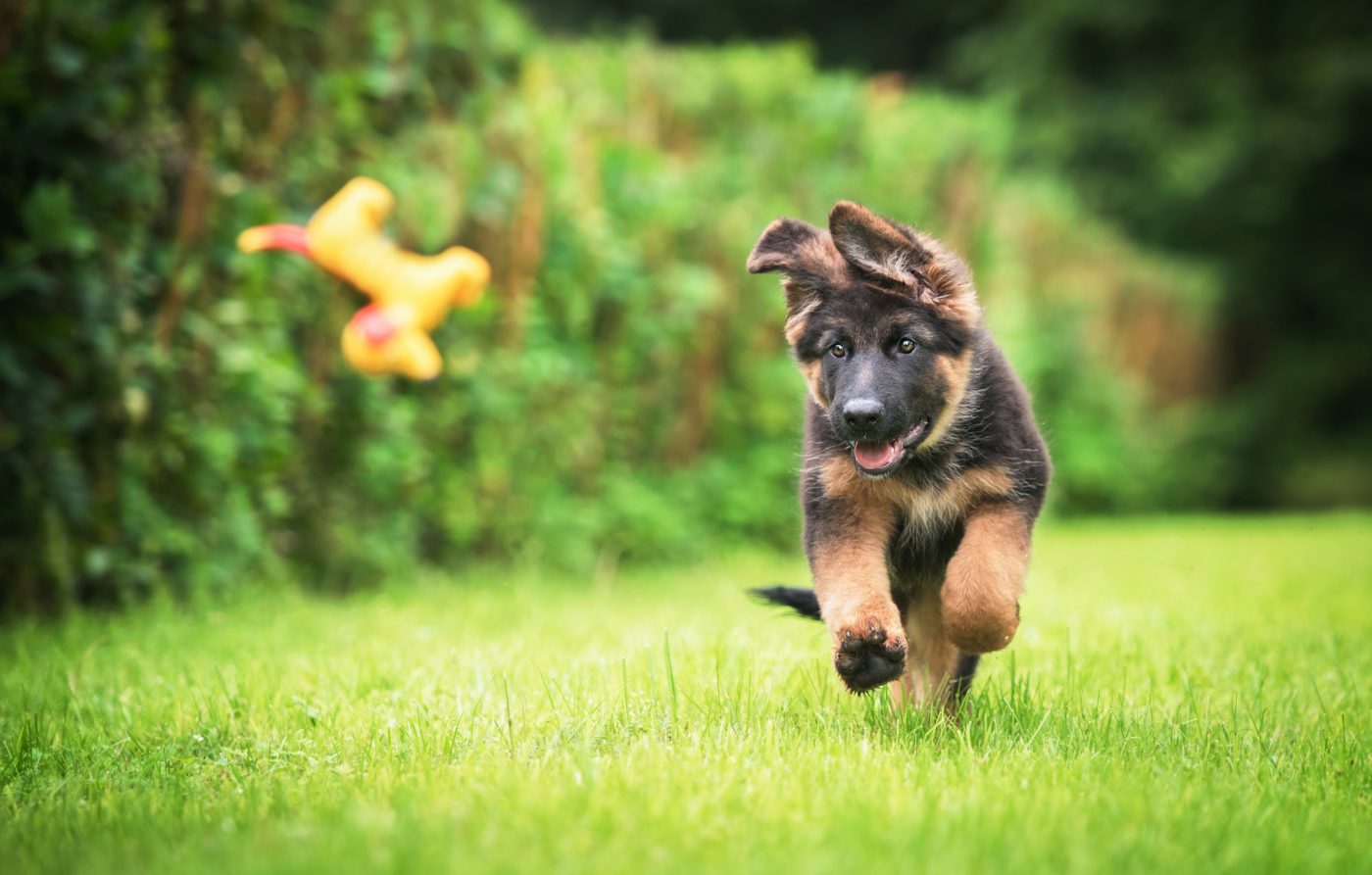
5 Essential Commands Every Polite Puppy Should Know
Training your puppy is not only essential for good behavior, but it also establishes a strong bond between you and your furry friend. Here are 5 essential commands that every polite puppy should know:
- Sit: Teaching your puppy to sit on command is fundamental. It helps with impulse control and sets the groundwork for more complex commands. Start by holding a treat above their nose and moving it back over their head; as they follow the treat, their bottom will lower naturally. Be sure to reward them with praise when they sit!
- Stay: This command is crucial for maintaining safety, especially in public or busy areas. Begin with your puppy in a sitting position, then slowly back away while saying 'Stay.' If they remain in place, offer praise and a treat. This command can help prevent your puppy from running into dangerous situations.
In addition to the first two commands, the following are equally important for fostering a well-mannered pup:
- Come: A reliable recall is essential for any puppy. Practice this command in a safe, enclosed area. Use a cheerful tone and call your puppy to you, rewarding them with treats and affection when they respond. Consistent practice will help your puppy associate 'Come' with positive experiences.
- Leave It: Teaching your puppy to 'Leave It' can prevent them from picking up harmful objects, including toxic foods or dangerous items. Start by showing them a treat and then covering it with your hand. When they stop trying to get the treat and look at you, reward them with a different treat. This helps to reinforce good choices.
- Down: Teaching the 'Down' command is another valuable tool for controlling your puppy's behavior. It encourages calmness and can prevent unwanted jumping or excited behavior. Start with your puppy in a sitting position, and then guide them down with a treat. Reward them once they are lying down.
For more great tips and training insights, check out AKC's Puppy Training 101.
How to Use Treats for Effective Puppy Training
When it comes to puppy training, using treats can be one of the most effective methods to encourage positive behavior. Start by choosing a variety of treats that your puppy finds irresistibly appealing, such as small pieces of turkey or specialized puppy training treats. It's essential to keep these treats small and low-calorie to avoid overfeeding. During training sessions, use these treats as a reward for good behavior. For example, when your puppy sits on command, immediately provide a treat and a cheerful 'Good boy/girl!' to reinforce the action. This positive reinforcement helps your puppy associate specific behaviors with positive outcomes, making it more likely they will repeat those actions. For more detailed tips, check out this article on AKC Puppy Training Tips.
Consistency is key when using treats for training. Make sure to use the same command and gesture for each behavior, and offer the treat quickly after the desired action is performed. As your puppy begins to grasp commands, you can gradually decrease the frequency of treats, while still offering praise and affection as a form of encouragement. Additionally, it's important to ensure training sessions are short and fun; this keeps your puppy engaged and eager to learn. If your puppy becomes distracted or loses interest, it might be time to take a break. For more in-depth strategies, visit Train Pet Dog's Puppy Training Tips for more insights on effective training methods.
Common Mistakes in Puppy Training and How to Avoid Them
Puppy training is an exciting journey, but it's easy to fall into common pitfalls that can hinder your pet's development. One of the most frequent mistakes is inconsistency in training sessions. Using different commands or rewards can confuse your puppy, making it harder for them to grasp what is expected. To avoid this, establish a consistent set of commands and stick with them. Additionally, remember to keep training sessions short and engaging; puppies have short attention spans. For more tips on effective training methods, visit AKC Puppy Training Tips.
Another common mistake is neglecting socialization. Exposing your puppy to various environments, people, and other animals helps them develop confidence and adaptability. Failing to socialize your puppy can lead to behavioral issues later. To prevent this mistake, consider enrolling your puppy in a socialization class or organizing playdates with other vaccinated dogs. Also, it’s crucial to use positive reinforcement and avoid negative experiences during these interactions. For more strategies on socializing your puppy, check out PetMD's Guide to Puppy Socialization.