Top 10 Muscle-Building Foods You Need to Fuel Your Gains
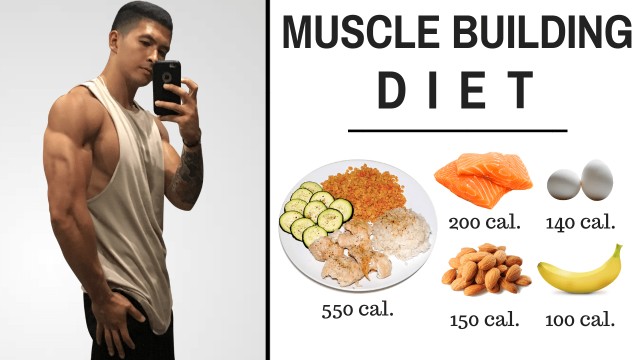
When it comes to optimizing your workout routine and maximizing muscle growth, nutrition plays a crucial role. Incorporating the right foods into your diet can provide the essential nutrients your body needs to build muscle effectively. Here are the Top 10 Muscle-Building Foods that you need to fuel your gains:
- Chicken Breast - Packed with high-quality protein, chicken breast is a staple for anyone serious about muscle building.
- Eggs - A fantastic source of protein and healthy fats, eggs are crucial for muscle recovery.
- Quinoa - This grain is not only rich in protein but also offers essential amino acids.
- Greek Yogurt - High in casein protein, Greek yogurt is perfect for a late-night snack.
- Salmon - Loaded with omega-3 fatty acids, salmon supports muscle recovery and growth.
- Lentils - A great plant-based protein source, lentils also provide fiber and essential minerals.
- Beef - A red meat packed with protein, iron, and creatine, making it a powerful muscle-building food.
- Nuts - Offering healthy fats and protein, nuts are perfect for quick snacks to fuel your workouts.
- Cottage Cheese - High in casein protein, it’s excellent for muscle recovery post-workout.
- Tuna - This fish is not only rich in protein but also low in fat, making it a great choice for muscle gain.
The Science of Protein: How Much Do You Really Need to Feed the Muscle Monster?
The science of protein is fundamental for anyone looking to enhance their fitness journey. Proteins are made up of amino acids, which are the building blocks of muscle, and understanding how much protein you really need can significantly impact your results. For most individuals engaged in regular strength training, the recommended dietary allowance is around 0.8 grams of protein per kilogram of body weight. However, for those aiming to build muscle or recover from intense workouts, this number can increase considerably, often ranging from 1.6 to 2.2 grams per kilogram. This higher intake supports muscle repair and growth, and ensures your body has enough resources to recover effectively from rigorous exercise.
To tailor your protein intake effectively, consider factors such as your body weight, level of physical activity, and specific fitness goals. For a more structured approach, here’s an example breakdown for determining your protein needs:
- Calculate your weight in kilograms.
- Multiply your weight by your desired protein intake in grams (1.6 to 2.2 grams for muscle growth).
- Distribute your protein intake evenly across meals to maximize muscle protein synthesis.
Meal Prep for Muscle Growth: Strategies to Eat Big and Stay Healthy
To achieve optimal muscle growth, meal prep is essential. Planning your meals not only saves time, but it also ensures you consistently meet your nutritional needs. Start by estimating your daily caloric requirements and protein needs. A good rule of thumb is to aim for at least 1.6 to 2.2 grams of protein per kilogram of body weight. Incorporate a variety of protein sources such as chicken breast, lean beef, legumes, and eggs. Additionally, focus on a balanced intake of carbohydrates and healthy fats to fuel your workouts and recovery.
When meal prepping, consider these strategic tips:
- Batch cooking: Prepare large portions of proteins, grains, and vegetables at once, dividing them into individual portions for the week.
- Diverse menu: Rotate your meals to keep your palate engaged and ensure a wide range of nutrients.
- Use containers: Invest in good-quality meal prep containers that make it easy to transport and store your meals.