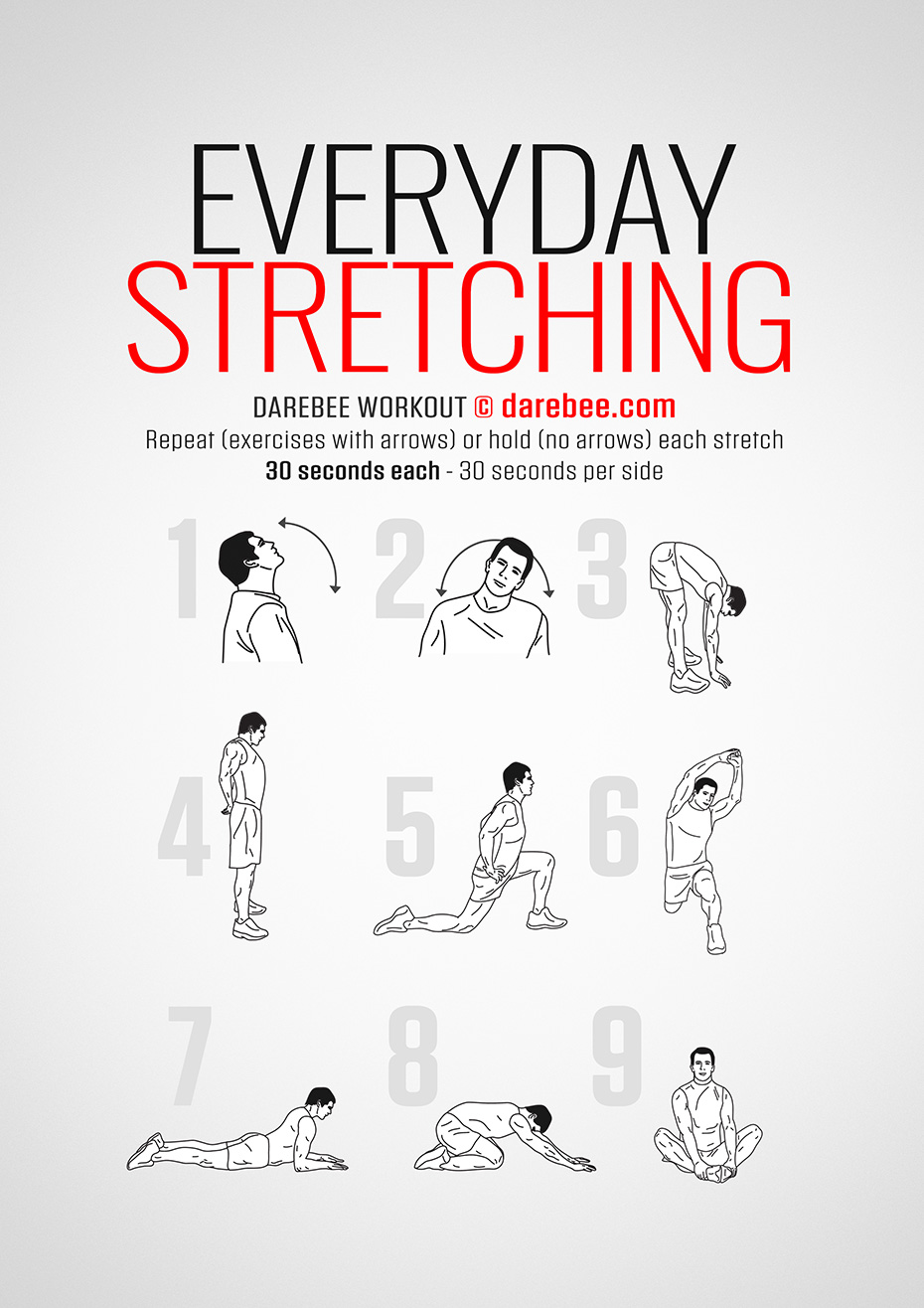
The Benefits of Stretching: How Flexibility Fuels Success
Stretching is not just a physical activity; it is a pathway to success in both personal and professional domains. By enhancing flexibility, individuals can improve their overall performance, reduce the risk of injuries, and increase their range of motion. This greater flexibility allows for better posture and alignment, which in turn can lead to increased energy levels and productivity. In a fast-paced world, where every edge counts, making stretching a daily habit can significantly impact your success and overall well-being.
Moreover, stretching can serve as a powerful mental tool. It helps to alleviate stress and anxiety by promoting relaxation and improving circulation. Incorporating stretching into your daily routine can also boost your mood and mental clarity, making it easier to tackle challenges and seize opportunities. By embracing the benefits of flexibility through regular stretching, you can cultivate a resilient mindset that fuels long-term success in every endeavor you pursue.
10 Effective Stretching Techniques to Boost Your Performance
Incorporating stretching techniques into your routine can significantly enhance your overall performance, whether you're an athlete or just trying to stay fit. Here are 10 effective stretching techniques to consider:
- Dynamic Stretching: Perform movements such as leg swings or arm circles to increase blood flow.
- Static Stretching: Hold stretches like the hamstring stretch or quadriceps stretch for 15-30 seconds.
- Proprioceptive Neuromuscular Facilitation (PNF): Use a partner or band to push against your stretch for enhanced flexibility.
- Yoga: Incorporate poses like Downward Dog and Cat-Cow for improved mobility.
- Foam Rolling: Release muscle tension and improve flexibility by rolling over targeted areas.
- Joint Rotations: Gently rotate joints to prepare them for more intense workouts.
- Active Stretching: Engage your muscles actively while stretching, such as lifting your leg while standing.
- Ballet Stretching: Utilize techniques from ballet to improve grace and flexibility.
- Calisthenics Stretching: Perform movements like lunges and squats to warm up muscles dynamically.
- Cooldown Stretching: Always include stretches post-workout to help with recovery and maintain flexibility.
Are You Stretching Enough? Common Myths About Flexibility
Are you stretching enough? This question often leads to a myriad of myths and misconceptions about flexibility. One common myth is that stretching before exercise significantly reduces the risk of injury. While maintaining flexibility is important, studies have shown that static stretching before a workout can actually lead to decreased strength and performance. Instead, engaging in dynamic stretching can warm up the muscles more effectively and prepare your body for the physical demands ahead. Understanding this distinction is vital for anyone looking to improve their flexibility without compromising their performance.
Another prevalent myth is that flexibility is solely determined by genetics. While it's true that some individuals might have a natural predisposition to being more flexible, stretching regularly can enhance your range of motion, regardless of your genetic makeup. Many people believe that flexibility is an all-or-nothing trait, but the reality is that most individuals can improve their flexibility with consistent practice and the right techniques. Incorporating a mix of static and dynamic stretches into your routine can lead to significant improvements over time, dispelling the idea that flexibility is beyond reach for the average person.