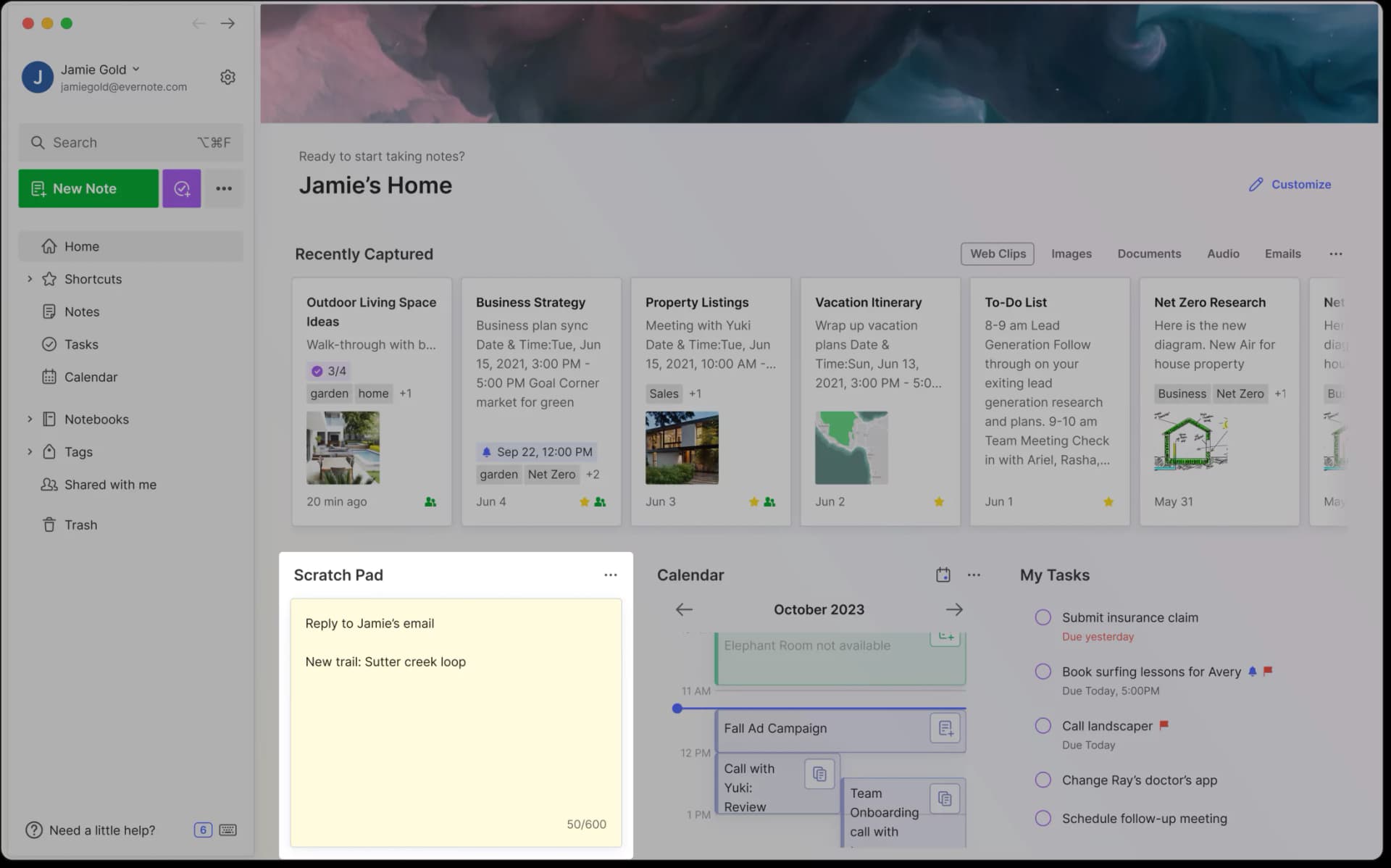
Mastering the Art of Note-Taking: Techniques to Enhance Retention
Note-taking is an essential skill that can significantly enhance your ability to retain information. By mastering the art of note-taking, you not only organize your thoughts but also create a personalized study guide that aids in retention.
To improve your note-taking techniques, consider implementing the Cornell Method, which divides your notes into three sections: notes, cues, and a summary. This structured approach makes it easier to review and retain crucial information. Additionally, using mind maps can also stimulate your creativity and help you visualize relationships between concepts.
Top 10 Digital Tools Every Note-Taking Ninja Should Use
In the fast-paced world of information overload, becoming a note-taking ninja is essential for productivity. Whether you’re a student, professional, or lifelong learner, the right digital tools can help you capture and organize your thoughts efficiently. Here are the top 10 digital tools that can elevate your note-taking game:
- Evernote - A versatile tool for capturing notes, images, and web articles.
- Notion - An all-in-one workspace that allows you to take notes, manage tasks, and collaborate seamlessly.
- Microsoft OneNote - A free-form note-taking application that integrates perfectly with Microsoft Office.
- Google Keep - A simple, intuitive tool for quick notes and reminders.
- Bear - A beautiful writing app ideal for notes and lists on Apple devices.
- SimpleMind - A mind mapping tool to visualize your notes and brainstorm ideas.
- Zoho Notebook - A free, note-taking tool that emphasizes organization and teamwork.
- Trello - While primarily a project management tool, Trello can be used creatively for notes and checklists.
- Todoist - A task manager that can be used effectively for note-taking and organizing thoughts.
- Apple Notes - A straightforward option for Apple users, perfect for quick notes and syncing across devices.
How to Organize Your Notes for Maximum Efficiency
Organizing your notes is crucial for enhancing your productivity and maximizing efficiency. Start by categorizing your notes into distinct sections based on subjects or projects. You can use a simple numbering system or headers to create a clear hierarchy. For instance, consider using an ordered list to define your categories:
- Personal Development
- Work Projects
- Study Notes
Utilizing digital tools can further streamline this process. Applications like Evernote or Notion allow you to tag and search for notes easily, ensuring that you can retrieve information quickly.
Next, review and revise your notes regularly. Set aside time weekly to go through your notes, decluttering any irrelevant material and consolidating key points. Employ techniques such as mind mapping or bullet journaling to visualize relationships between ideas. These methods not only enhance retention but also help you identify gaps in your understanding. Here's a simple checklist to follow:
- Review notes weekly
- Delete unnecessary information
- Summarize key points
By staying organized and making note-taking a routine, you’ll cultivate a system that fosters maximum efficiency.